
Luxury amenities
Luxury amenities are essential for breaking down conventional barriers and creating a sophisticated and unforgettable experience, a unique moment.

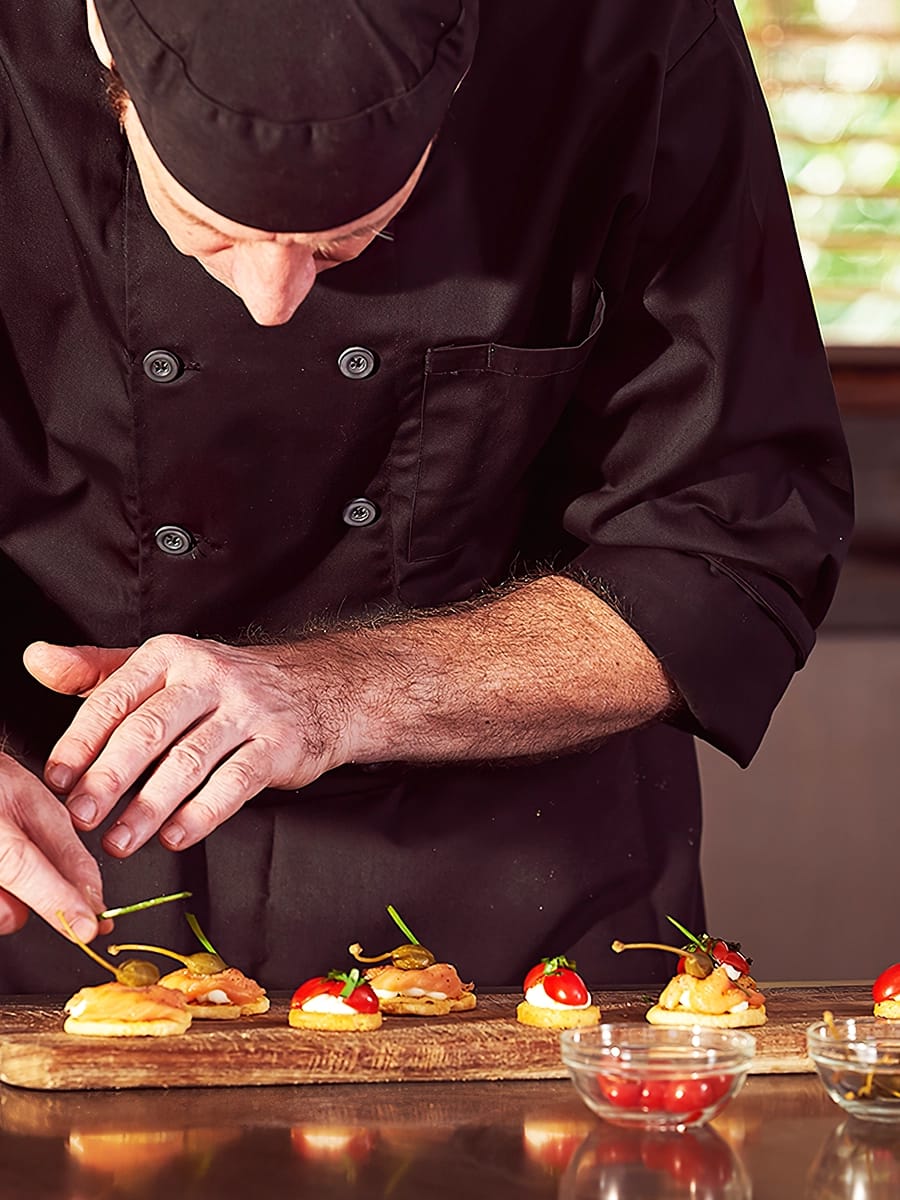
Hand hygiene in catering is essential for food safety throughout the year. However, it becomes crucial during the Christmas holidays. At this time of year, the celebrations, reservations and special services increase the kitchen workload. This can sometimes lead to a lack of control over hygiene practices, requiring greater awareness and stricter measures to protect customers’ health.
Hand hygiene in catering is essential for food safety throughout the year. However, it becomes crucial during the Christmas holidays. At this time of year, the celebrations, reservations and special services increase the kitchen workload. This can sometimes lead to a lack of control over hygiene practices, requiring greater awareness and stricter measures to protect customers’ health.
When menus tend to be more elaborate, and a larger number of guests are being served, reinforcing hand hygiene ensures safety. Taking care of this simple but important detail allows celebrations to proceed smoothly and ensures that the dining experience is fully satisfying.
When menus tend to be more elaborate, and a larger number of guests are being served, reinforcing hand hygiene ensures safety. Taking care of this simple but important detail allows celebrations to proceed smoothly and ensures that the dining experience is fully satisfying.
Hands are the main point of contact with food, utensils and surfaces. Proper and frequent washing helps prevent cross-contamination and the transmission of microorganisms that can affect diners. It is therefore essential that catering staff maintain rigorous hygiene habits before, during and after handling food.
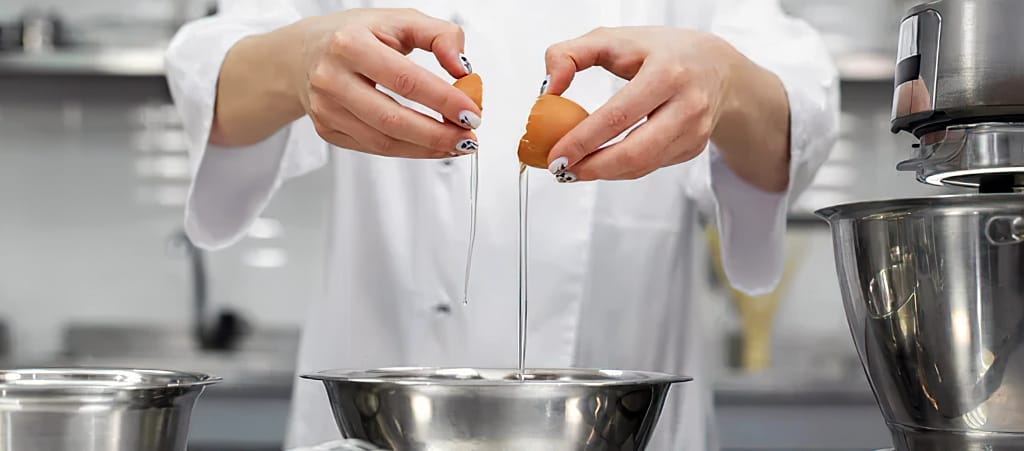
WHO estimates that up to 30% of gastrointestinal diseases can be prevented with basic measures such as proper and regular hand hygiene.
December, a key month due to the increase in outbreaks caused by contaminated food.
With the arrival of December, one of the busiest times of year for social gatherings and activity in the catering sector, businesses must manage an increase in food handling, the use of shared spaces and the movement of people.
This context coincides with documented concerns about food safety: in recent years, hundreds of outbreaks and thousands of cases of foodborne illness have been reported in Spain, with Salmonella being one of the most frequent causes and having a significant impact on hospitalisations and outbreaks, especially those associated with food services outside the home.
Foodborne illnesses are diseases caused by eating food contaminated with harmful microorganisms or their toxins. The most common are Salmonella, Listeria, E. coli, Campylobacter, and Staphylococcus aureus. These bacteria can cause symptoms such as vomiting, diarrhoea, and fever. In severe cases, they can lead to serious complications requiring hospitalisation, especially in children, the elderly, or people with weak immune systems.
During the festive season, the risk of food poisoning increases due to the higher volume of prepared food, the variety of dishes, and large groups of diners. Therefore, reinforcing hand hygiene and good food handling practices is essential to ensure consumer safety.
Hands are the primary vehicle for transmitting microorganisms in food environments. Proper handwashing removes visible dirt and reduces microbial load, preventing cross-contamination between food, surfaces, and utensils. Key recommendations include:
In the food industry, in addition to hand hygiene with soap and water, the use of registered hand sanitiser solutions, such as hydroalcoholic gels with at least 70% alcohol, is recommended, provided that hands are not visibly dirty.
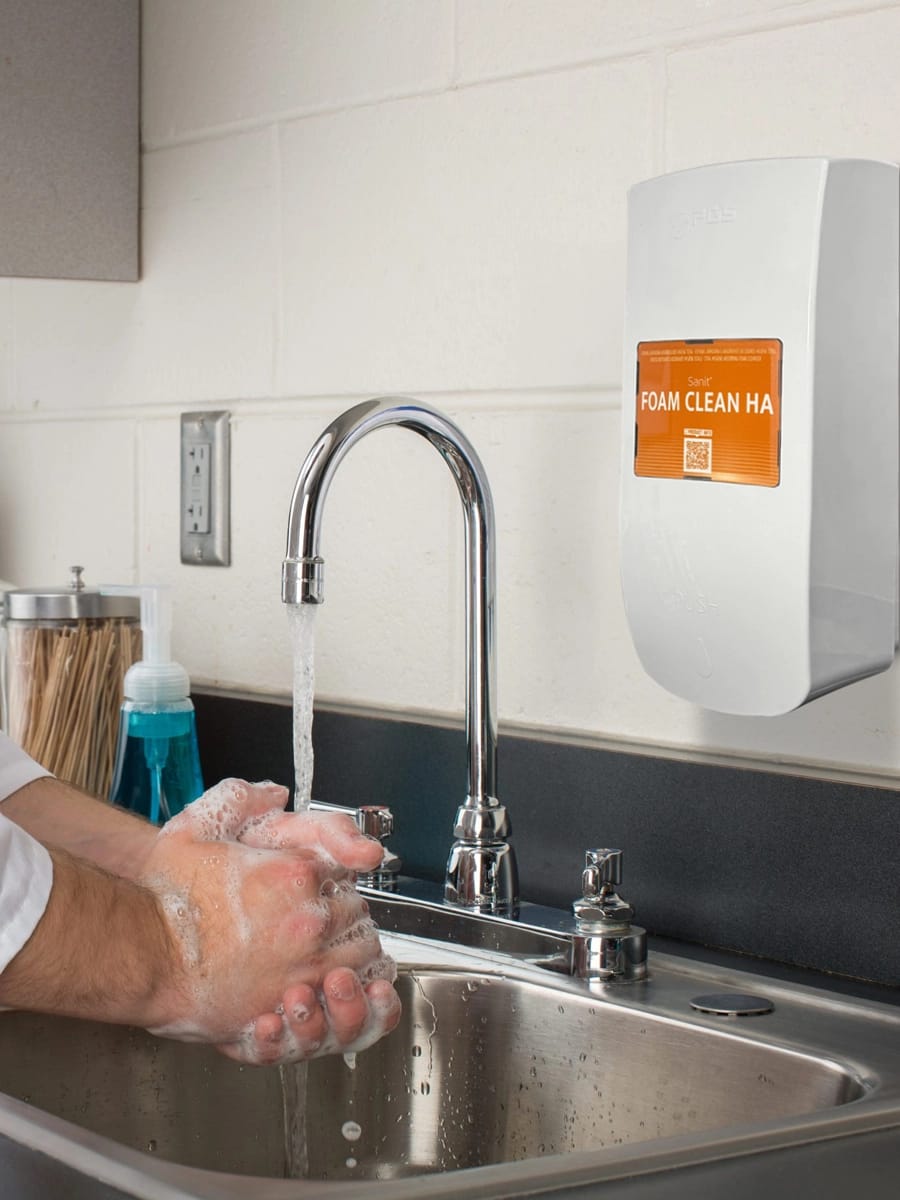
When food is handled in restaurants, it is recommended to use soaps free of colourings and perfumes combined with hydroalcoholic solutions that are effective against bacteria, viruses and fungi.
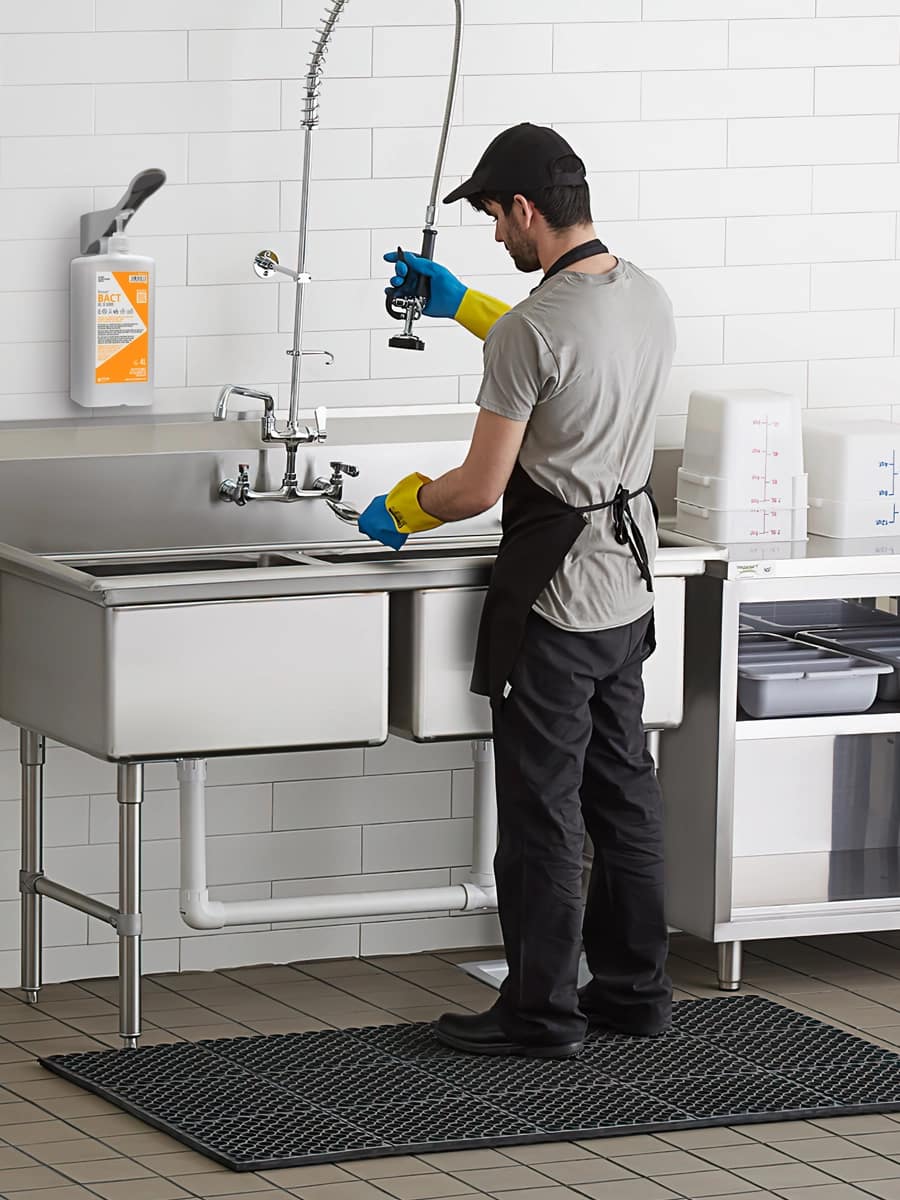
PRODERPHARMACARE® is positioning itself as a strategic ally for restaurateurs this Christmas, offering products and solutions that help prevent cross-contamination during food handling. Here are some of the ways our products can contribute to food safety:

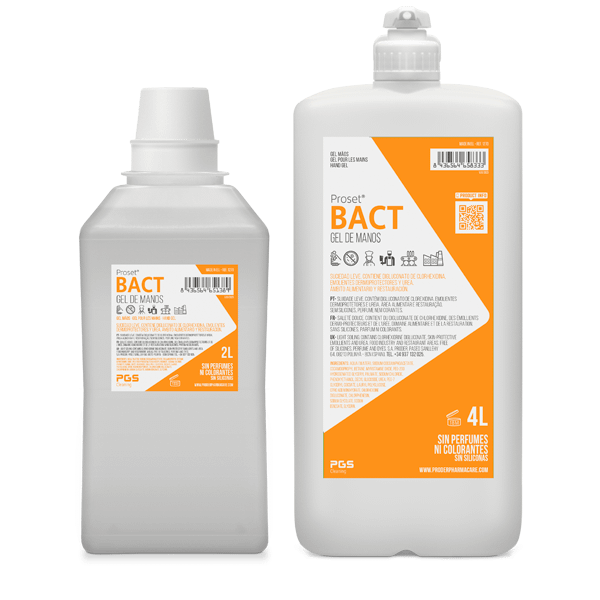
TOTAL HYGIENE hand gel.
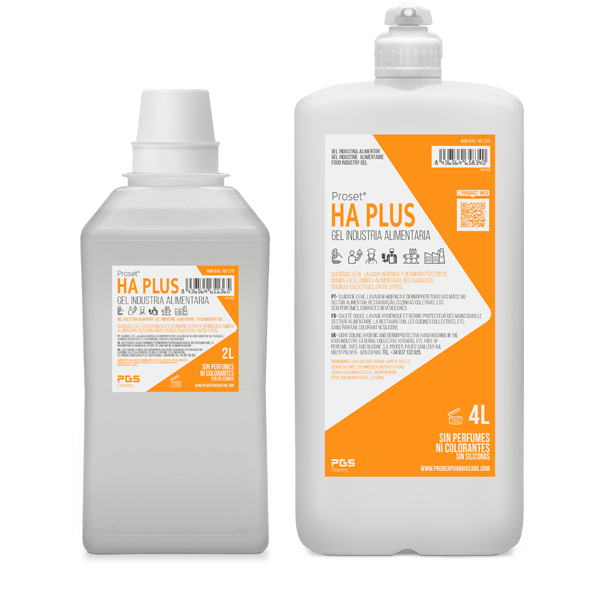
Food & beverage industry hand gel.

Odour-absorbing cleansing foam

Hand cream with hyaluronic acid.
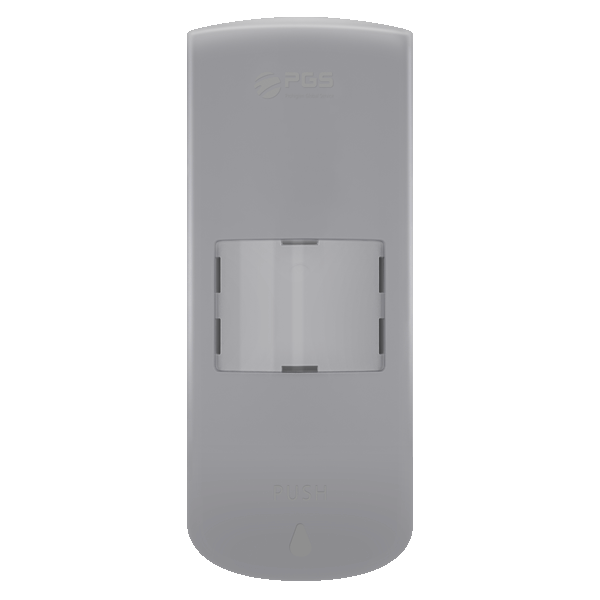
Wall dispenser for 2-litre containers.
Luxury amenities are essential for breaking down conventional barriers and creating a sophisticated and unforgettable experience, a unique moment.
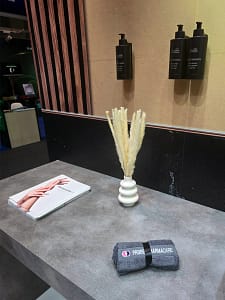
PRODERPHARMACARE® attends Hygienalia 2025 with an impeccable presentation, where product testing has been the main attraction.