ICU Intensive care specialist experience

Dr Mariano Rinaudo talks about his vocation and emphasises the importance of antisepsis and hospital hygiene in his role as head of the ICU.
Imagen destacada para la entrada de Abril, Experiencia Intensivista en la UCI.

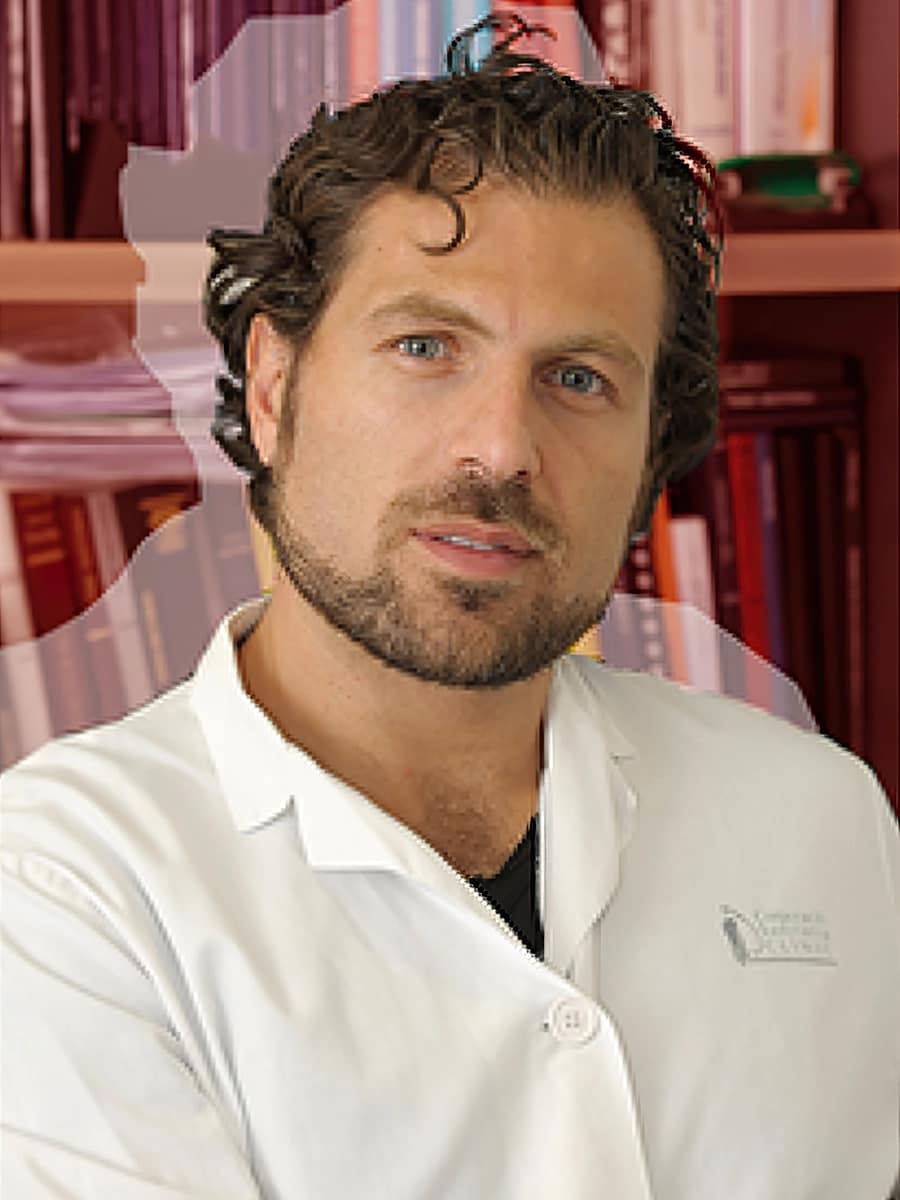
Dr. Mariano Rinaudo

Dr Mariano Rinaudo trained at the National University of Cuyo (Argentina), his home country, where he pursued a career as a specialist in Intensive Care Medicine and Internal Medicine. Since 2011, he has held a Doctor of Medicine degree from the University of Barcelona (UB), where he also completed master’s degrees and undertook teaching and research in critical care. Since then, he has worked in various hospitals and clinics in Barcelona. He is currently the Head of the ICU at Grup Clínica Girona.

In this interview, he reflects on vocation, the pressures of patient care and the critical importance of hospital hygiene and high-quality antiseptics and disinfectant supplies as key elements in patient safety and infection prevention.

What does being a doctor mean to you, and what motivated you to choose this specialism?

—For me, being a doctor is a vocation; it’s a blend of science and humanity. What motivated me to choose Intensive Care Medicine was the desire to help people and their families during one of the most difficult times of their lives, as it is a constant struggle between life and death, and the uncertainty of how the patient will respond to the prescribed treatments. Despite being described in the medical literature, they do not work the same for everyone; the expression ‘one size fits all’ does not apply, which is why I believe that medicine has an artistic element to it.

How would you describe a day in the ICU?
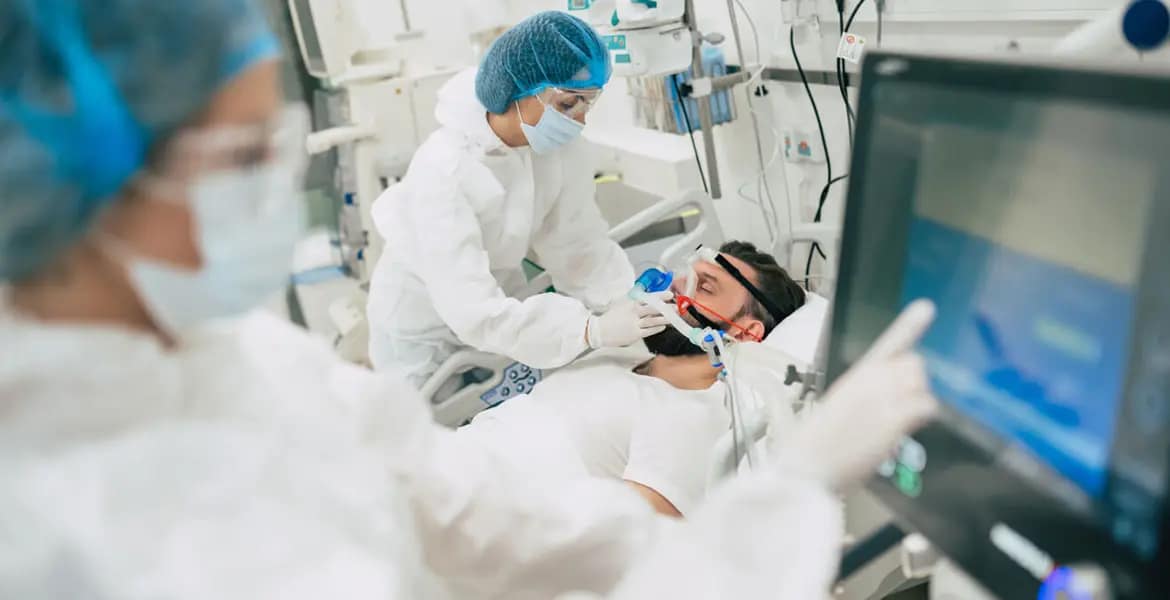
—It depends on the audience it’s aimed at. For a healthcare professional (doctor, nurse, healthcare assistant, etc.), I’d describe it as an intense day spent with patients, where things can change very rapidly; they may be stable one moment and then, at any moment, their condition may deteriorate, become unstable, and you have to be 100 per cent focused on that patient.
 
On the other hand, for anyone not involved in healthcare, I’d describe it as a day where you don’t know what’s going to happen, where uncertainty reigns, where you can’t predict what will happen in the next hour, and where there’s no monotony.
imagen de UCI para la entrada de abril, experiencia intensivista en la UCI.

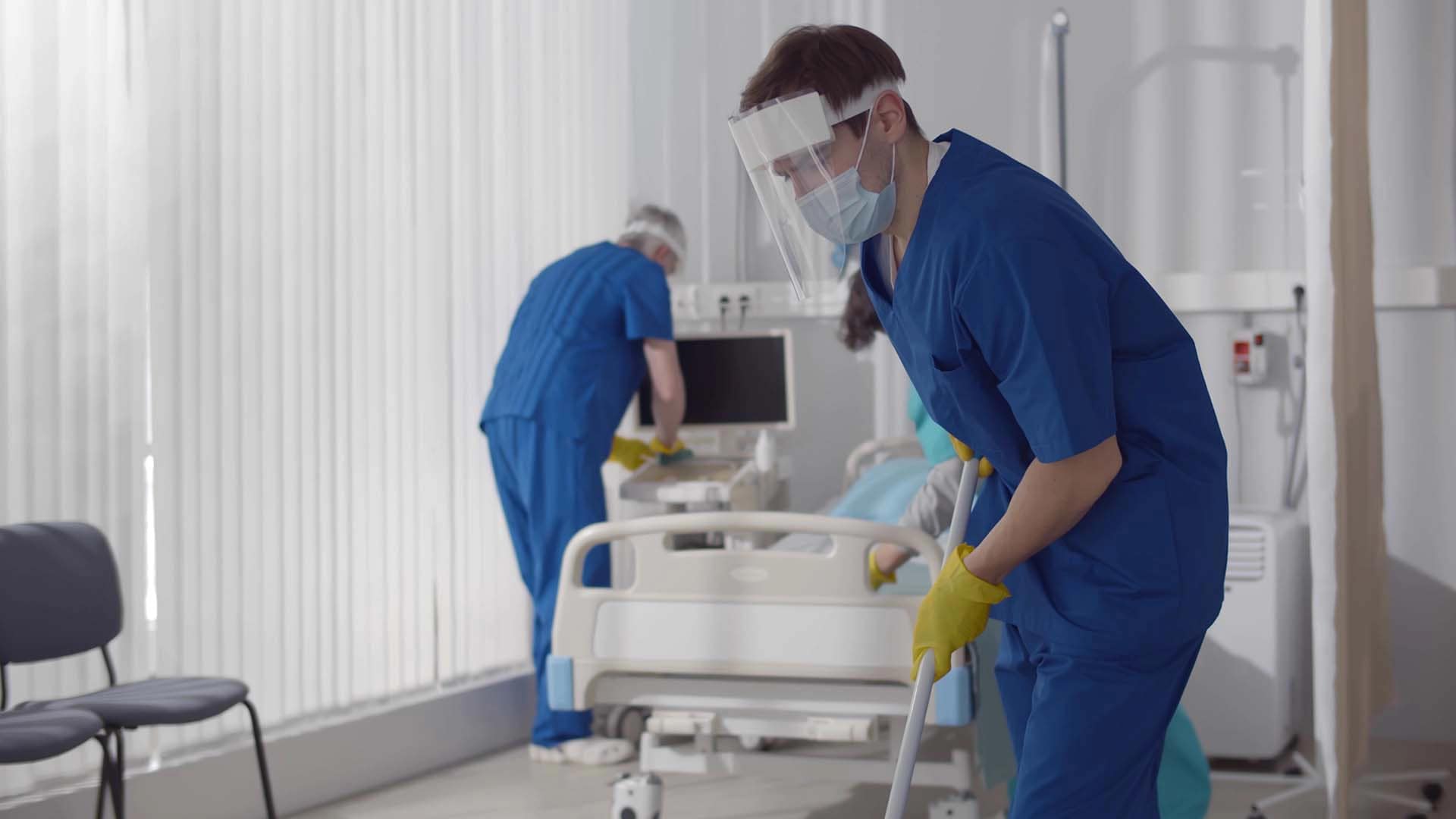
In the ICU, where hygiene is key, how important do you consider the high-quality products used to be, whether they are biocides, disinfectants or cosmetics?​

—It is of the utmost importance, particularly disinfection, as it is one of the cornerstones of patient health, aiming to avoid adding to comorbidity through a nosocomial infection caused by hospital-acquired germs.

What is the most difficult part of your job, and how do you cope with it emotionally?

—The hardest part is breaking bad news to patients and their families. When a patient dies, it is one of the most difficult moments in the profession.
 
Generally speaking, you aren’t emotionally prepared to deal with it, so it’s very difficult to cope with. Maturity and time help you to understand it and thus learn to cope with it.

Do you think society understands the importance of the work you do in intensive care?​

—Very little. I think society is simply afraid of the ICU and tries to avoid even knowing about it, let alone being in one. We gained a little more visibility during the COVID-19 pandemic, but like everything else, unfortunately, that faded away and was forgotten once the disease was brought under control. We intensive care specialists are greatly undervalued, with society failing to realise that we are the ones who do everything in our power to save lives when patients are in a critical condition.

What factors do you think are essential for a medical team to be able to provide the best possible care in the ICU or in any other area of the hospital?​

—In my view, the key factors would be, first and foremost, humanity: you have to be human and try to empathise with the patient and put yourself in their shoes. Obviously, knowledge, hard work and dedication are other essential factors in any medical team.
 

What role do you think preventive medicine plays in the ICU, operating theatres and inpatient wards?

—I believe that the Department of Preventive Medicine plays a crucial role, as healthcare-associated infections are a difficult condition to treat, leading to increased antibiotic use and, consequently, a rise in multidrug-resistant microorganisms. Environmental cultures should be taken in ICU cubicles, operating theatres and inpatient wards in order to identify the local microorganisms and eradicate most of these germs using the necessary biocides or disinfectants.

Latest entries.​

Imagen destacada de la entrada Amenities de lujo

Luxury amenities

Luxury amenities are essential for breaking down conventional barriers and creating a sophisticated and unforgettable experience, a unique moment.

Leer más »

ALL YOU NEED IS YOUR HANDS

Do you want to know more about PRODERPHARMACARE® and its products?